(2).png)

No matter what colour, pattern, texture or shape you choose, there’s one fundamental truth about a well-placed rug… it can really pull a room together. A notion made famous by The Big Lebowski in 1998, but still has relevance today. While often an afterthought for many people, we believe that a rug should be one of the first things you select when decorating a space.
Choosing the Right Material
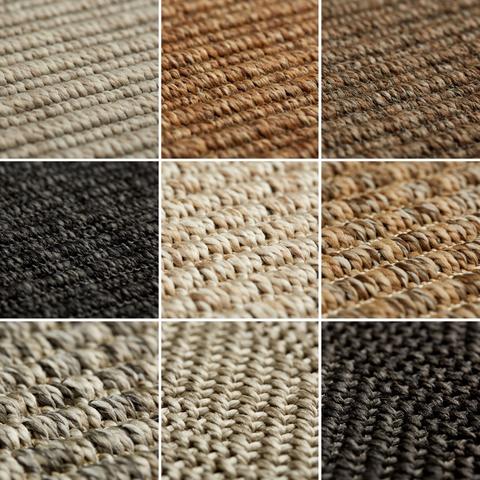
The material you choose will influence the look, feel, durability and practicality of your rug. Consider how the space is used, as well as the level of maintenance you're prepared to take on.
- Wool: Naturally soft, warm and hard-wearing, wool offers timeless appeal and is particularly well suited to living rooms, bedrooms and other comfortable, lived-in spaces.
- Synthetic: Polypropylene and polyester rugs are durable, easy to maintain and highly practical. Many are stain-resistant and a great choice for busy households, children, pets and high-traffic areas. Airloom has a great range of 'natural-looking' synthetic rugs
- Jute, Sisal, Seagrass: Natural fibres bring beautiful texture, warmth and an organic feel to a space. They're ideal for adding a relaxed, natural aesthetic, but are generally better suited to areas where they're less exposed to spills and heavy wear. If you'd love the natural-look, but need something easy cleaning, have a look at our 'natural-looking' synthetic weaves.
- Low Pile vs High Pile: Consider both the look you want and how the room is used. Low-pile rugs are practical beneath dining tables and in high-traffic areas, while high-pile and plush rugs add softness and warmth to bedrooms and living spaces.
Choosing the Right Rug Size & Placement
The right-sized rug can completely transform a room, helping to define the space and create a more cohesive, considered look. It’s easier than ever with Airloom, as we have ranges that can be customised to fit any room. You will see a CUSTOMISE button on the product pages, where this possible. (WhatsApp us on +27 81 032 5471 if you need assistance custom-sizing your rug.
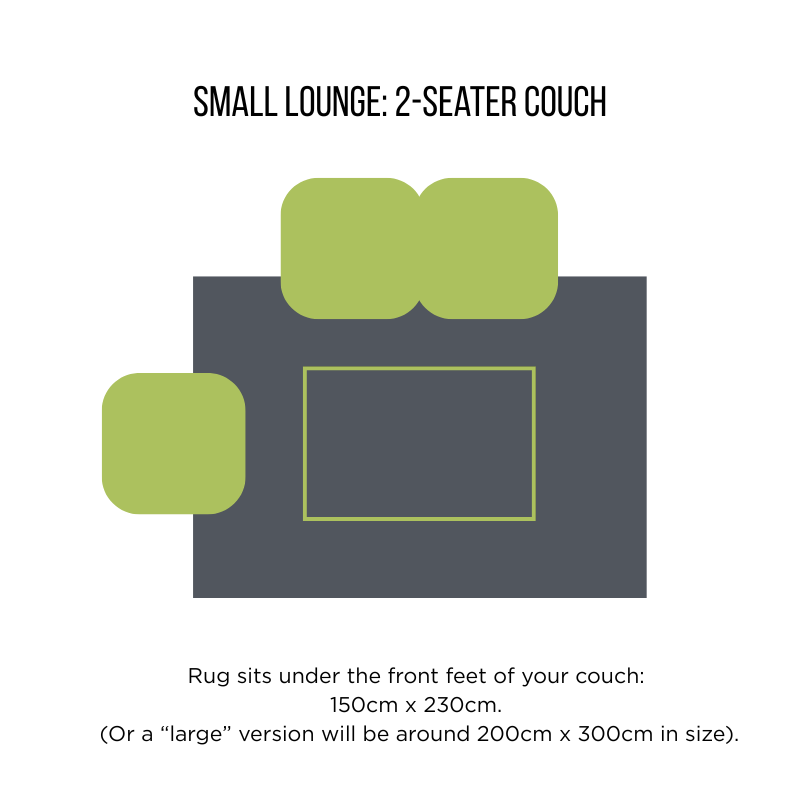
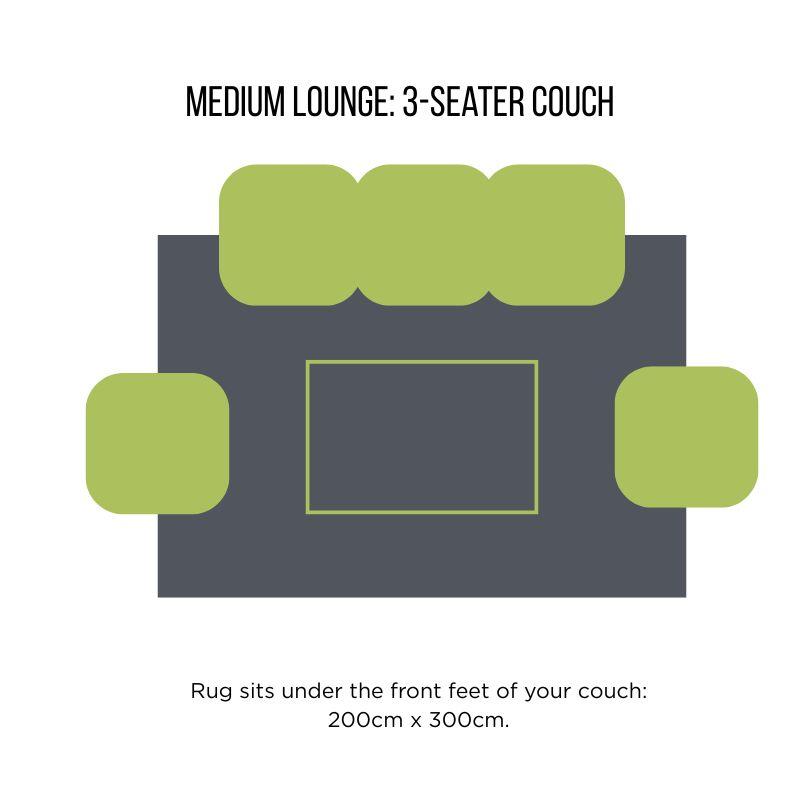
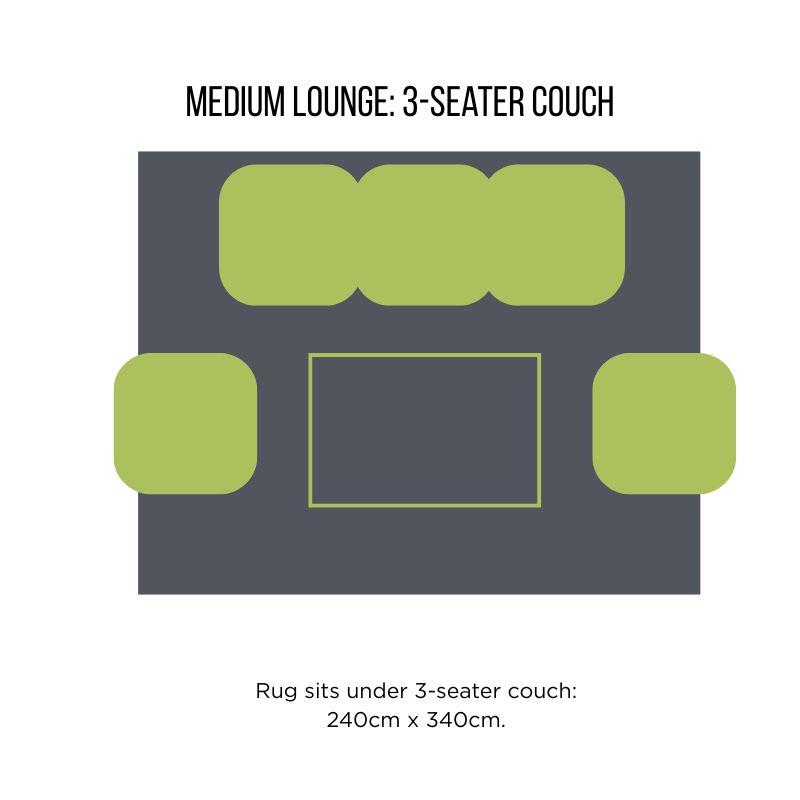
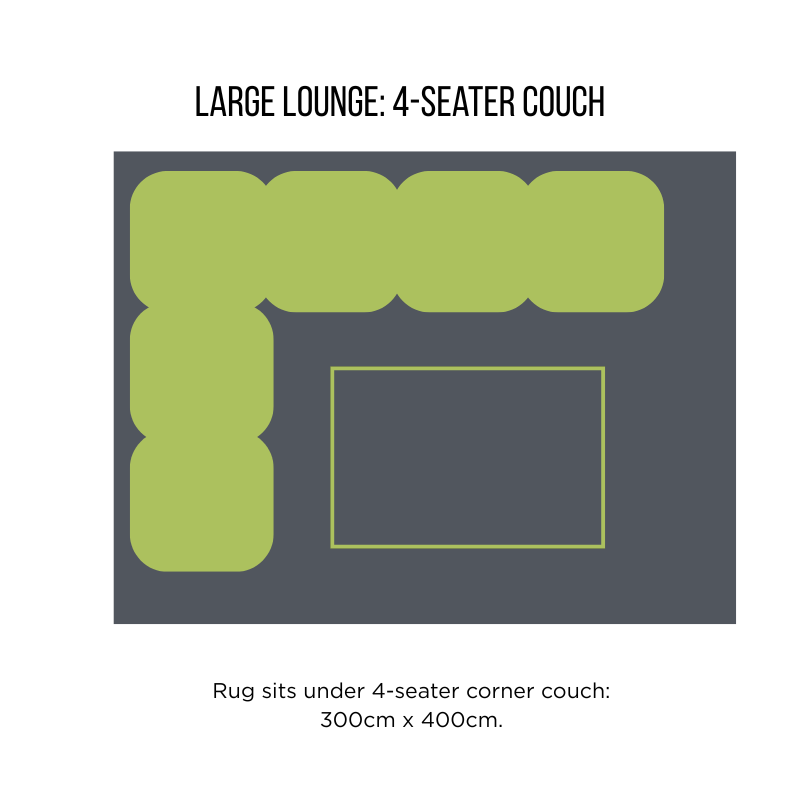
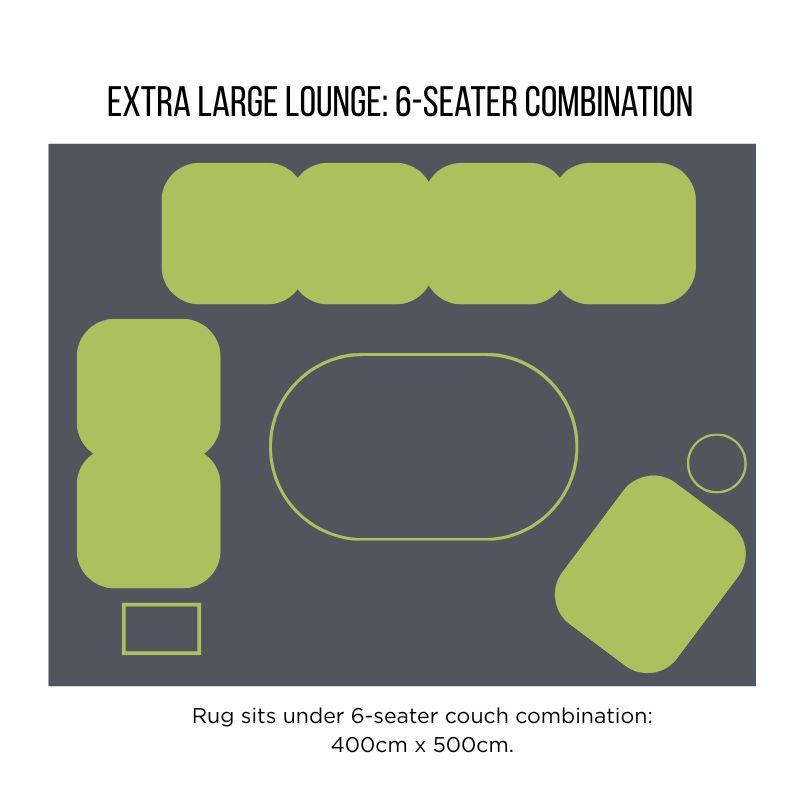
- Living Room: Ideally, position your rug so that the front legs of your main seating sit on the rug, with the coffee table fully centred on it. For larger rooms, consider a rug that accommodates all the furniture rather than leaving a small rug floating in the middle of the space.
- Dining Room: Choose a rug large enough to accommodate the table and chairs comfortably, allowing the chairs to remain fully on the rug even when pulled out. This also helps prevent chair legs from catching on the edge of the rug.
- Hallways: A runner should leave a comfortable border of visible flooring on either side. As a general guide, aim for a runner that covers around two-thirds to three-quarters of the hallway's width, while leaving enough space at each end to frame the area.
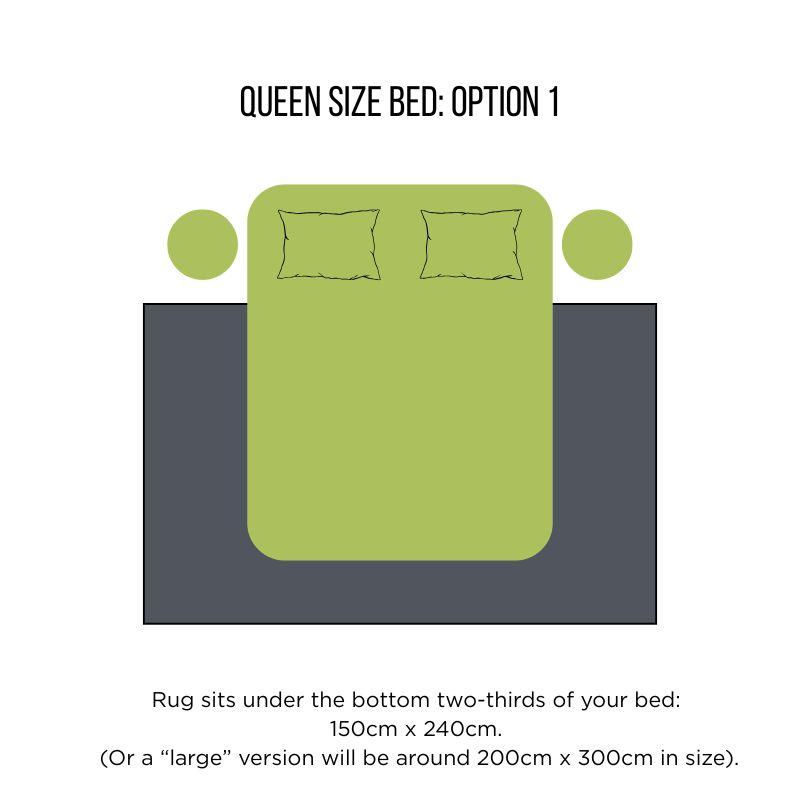
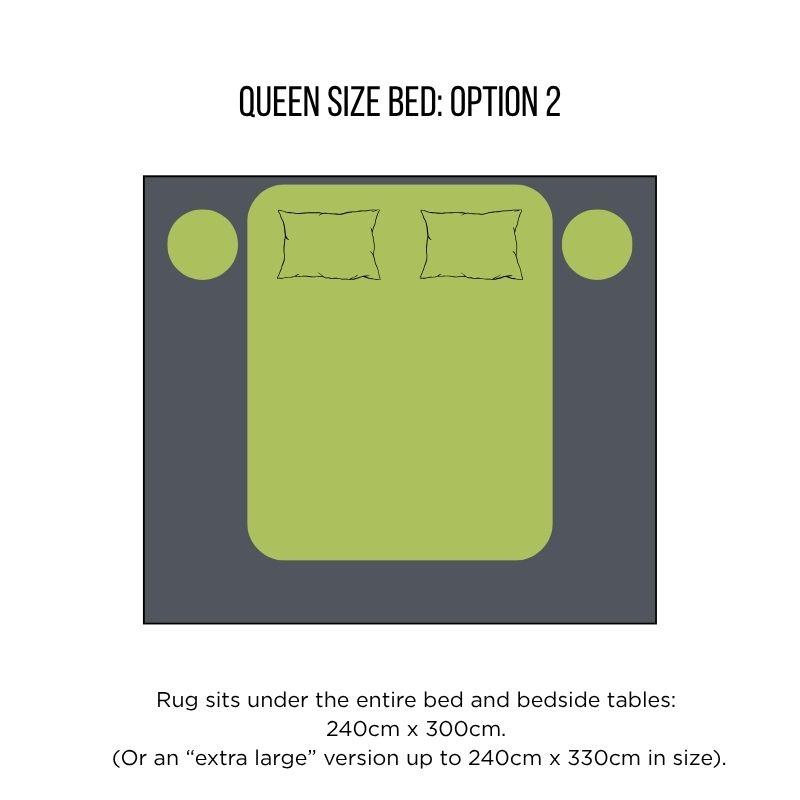
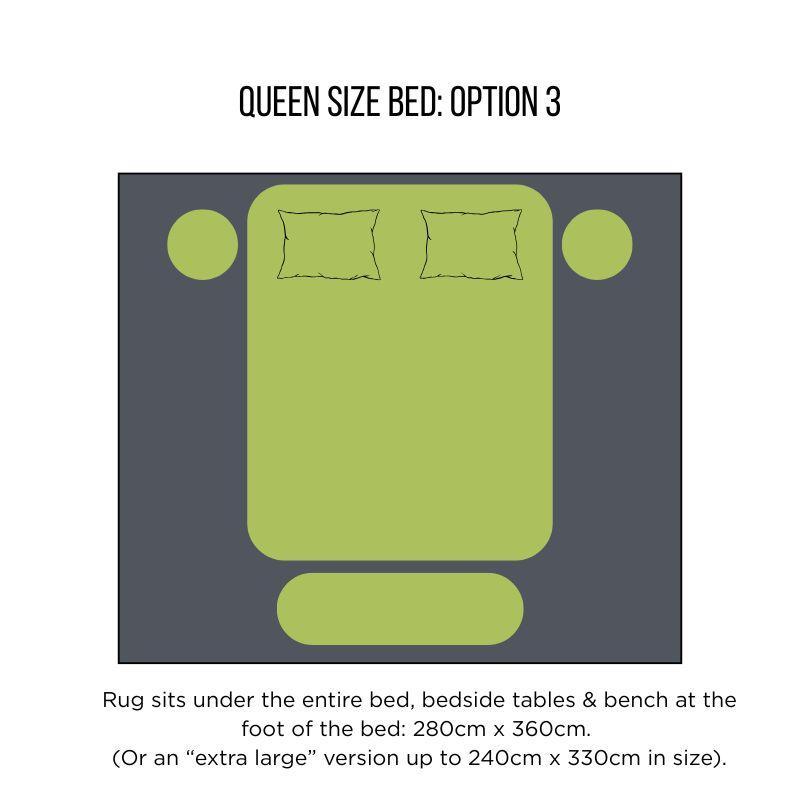
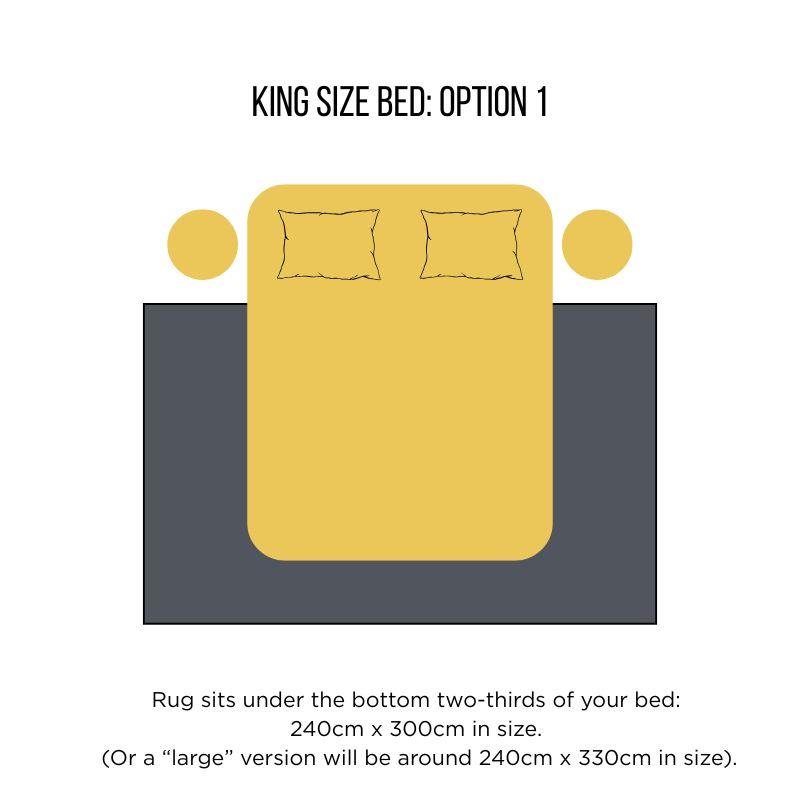
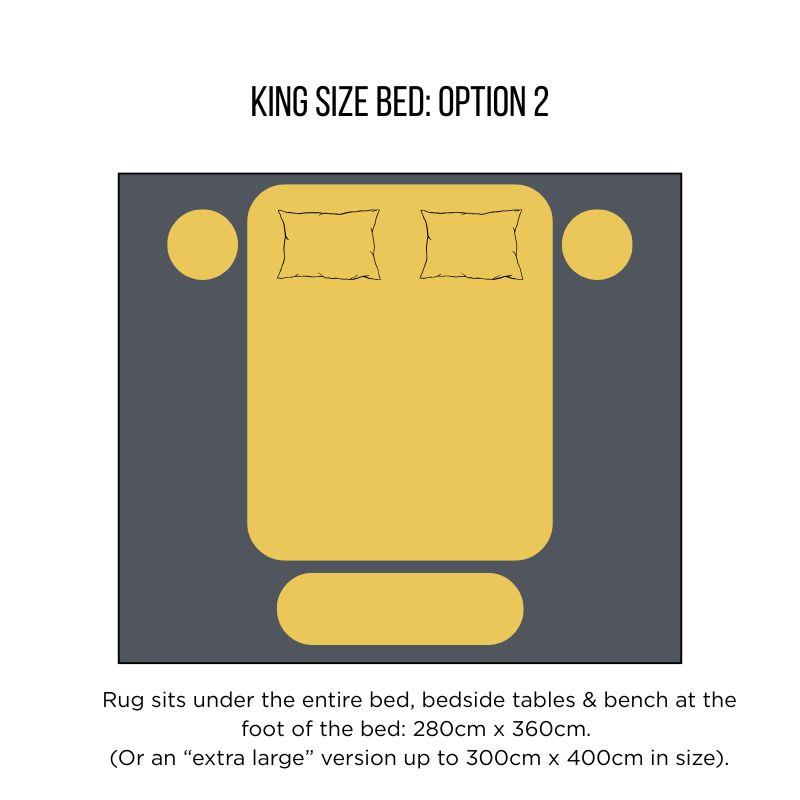
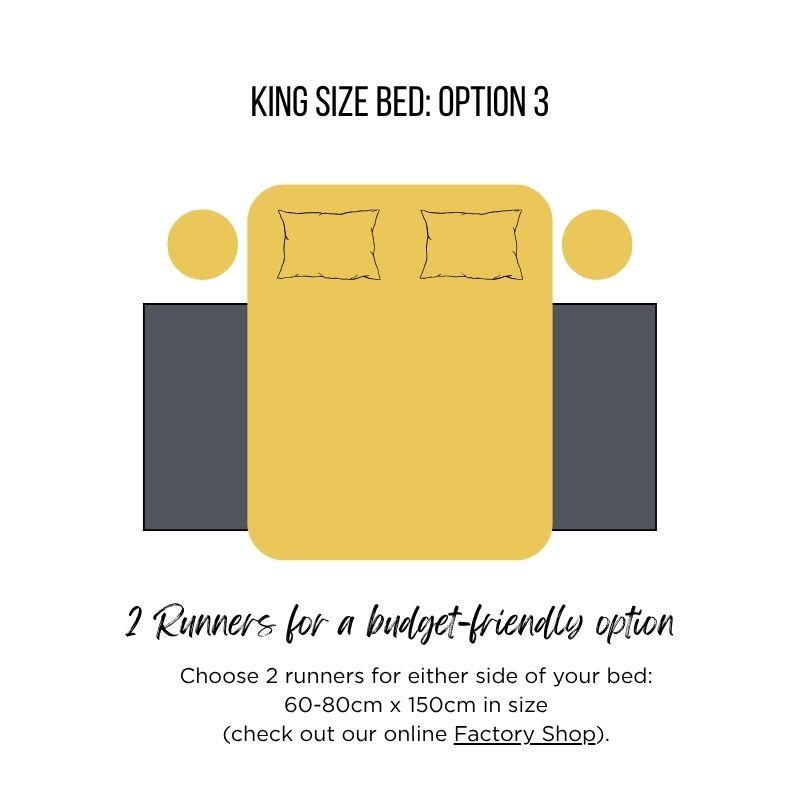
- Bedroom: A generously sized rug creates a soft, inviting frame around the bed. Aim for approximately 45–60 cm of rug extending beyond the sides of the bed. Depending on the layout, you can position bedside tables just beyond the rug's edge or choose a larger rug that sits beneath them.
Choosing the Right Colour & Pattern
The colour and pattern of a rug can have a surprisingly big impact on how a room feels. Think about the atmosphere you want to create, as well as how the space is used.
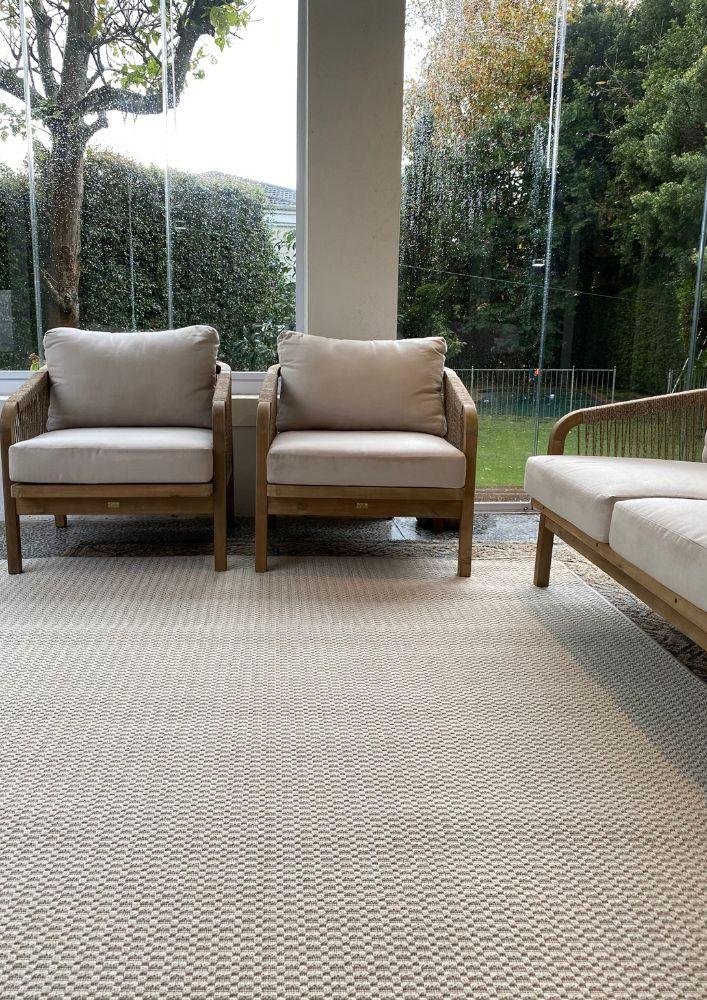
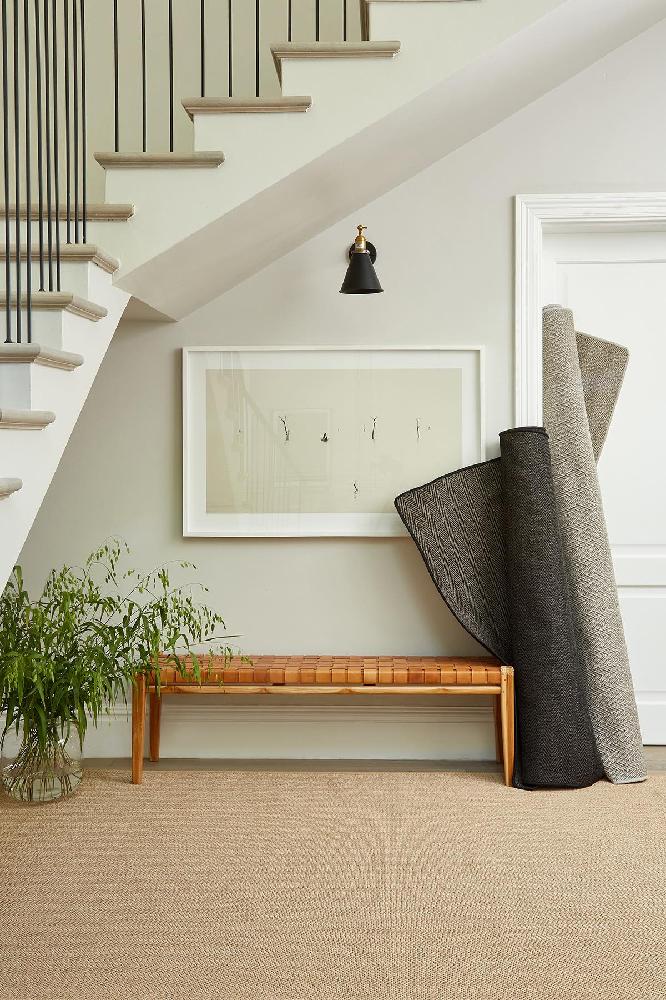
- Light rugs: Soft neutrals and lighter tones can make a room feel brighter, more spacious and airy. They're particularly effective in smaller rooms or spaces with limited natural light. They also provide a calm, understated foundation for layered interiors.
 .
. 
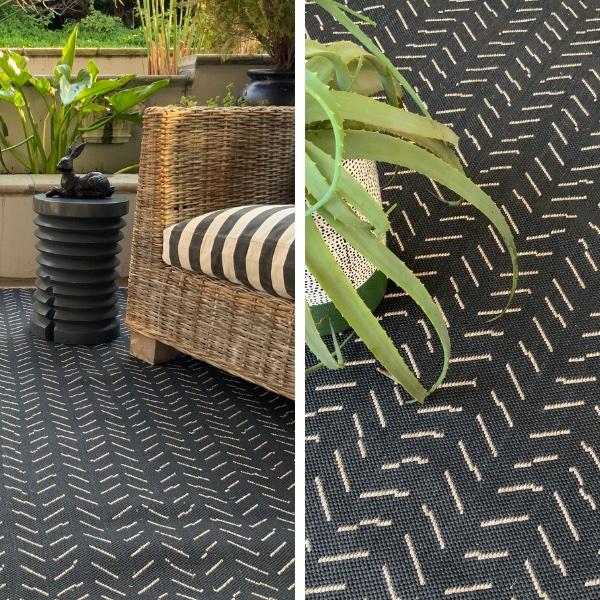
- Dark rugs: Deeper tones can make a room feel warmer, cosier and more grounded. They're a practical choice for busy areas, as they tend to disguise everyday marks and wear better than very pale colours. A dark rug can also anchor lighter furniture and create contrast.
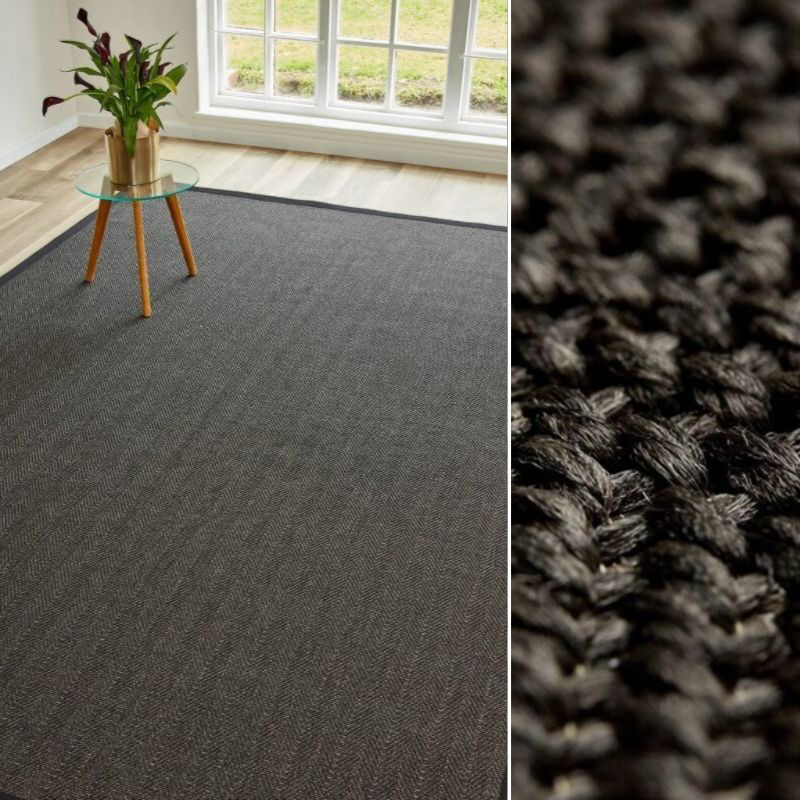
- Plain rugs: A solid or subtly textured rug creates a versatile, timeless backdrop. It's ideal when you already have patterned furniture, artwork or other strong design elements, allowing them to take centre stage. Texture can add interest without introducing another pattern.
- Patterned rugs: Patterns are a great way to add personality, colour and visual interest. They can define a space, introduce complementary colours and bring together different elements within a room. Pattern is also practical in busy households, as it can help disguise everyday marks and minor variations in wear.
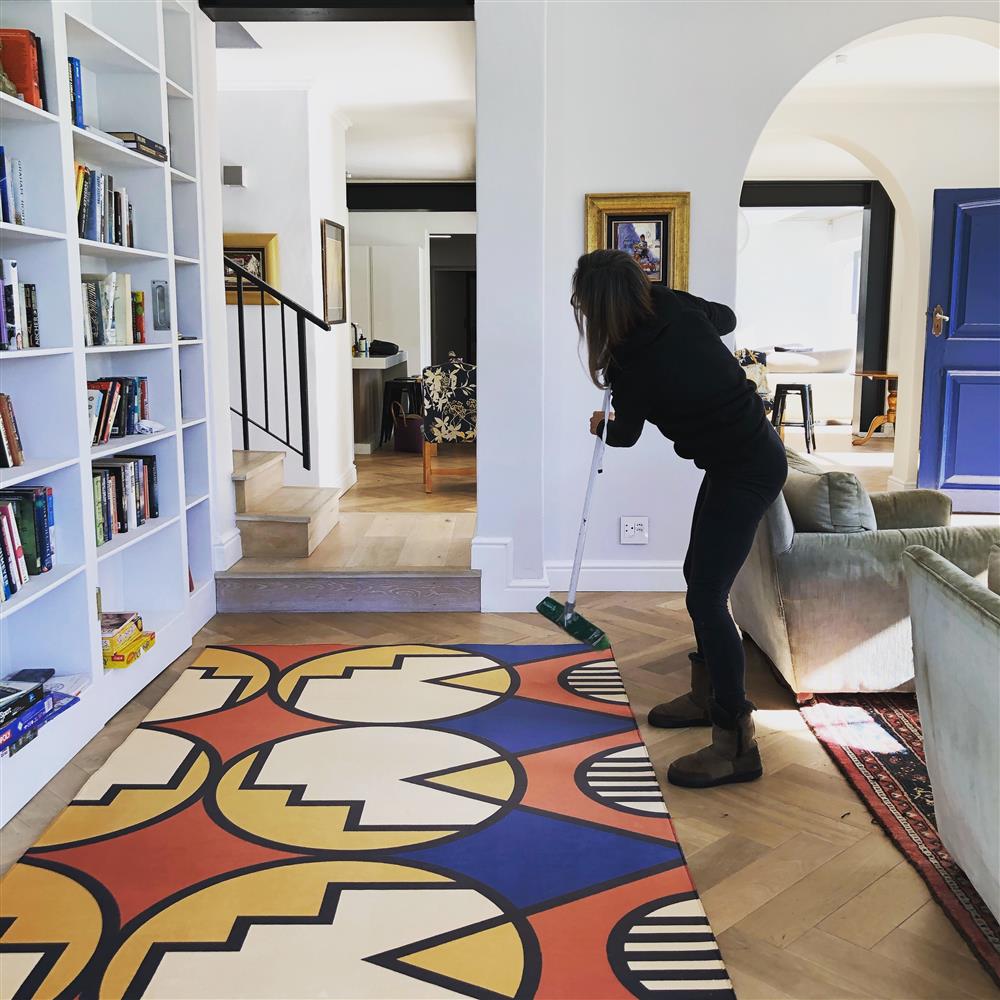
A useful rule of thumb
If your room already has lots of pattern and colour, a plain or subtly textured rug can help create balance. If your furniture and finishes are relatively neutral, a patterned rug can become the focal point and give the room character.
Ultimately, there are no hard-and-fast rules. The best rug is one that complements the way you live and the way you want your space to feel.